Thursday, June 21, 2012

Turkish Eggplant


 I went to the farmers’ market at 46th  st and Lamar Blvd located at The Triangle in Austin, Texas. It is a member of the Sustainable Food Center of Central Texas. I was able to find this market by searching in Google for farmer’s markets in Austin and was led to the Edible Austin website. I chose to go with my friend, Timothy, so I could choose something that neither one of us had tried, subsequently, to get his opinion of the produce item.

            
            I am from a rural area in East Texas and spent many years on a farm so I knew it would be a challenge to find something unusual for me. After walking around for 30 minutes, we narrowed our choices down to the Black tomatoes and Turkish eggplants.  We chose the eggplants also known as Turkish orange eggplant, hence the color.  Because we’ve had different kinds of tomatoes and they all taste similar, we didn’t want try another. Turkish eggplants don’t really have a smell to them sort of like the purple eggplants. It has more color than smell because it is a deep orange like a pumpkin when ripe. Although these heirloom eggplants, from Turkey, are the color of pumpkins, they are very fruitful in production like tomatoes.
            Since I’ve never eaten this vegetable before, I wanted to find several ways to prepare it. The farmer gave me six of them so that I could prepare a serving size to try. He warned that it was bitter with the skin so I knew I needed to add something for taste. Timothy has attended some culinary classes so he made a suggestion to use a skillet to brown or sauté them instead of boiling. I am not a cook so I welcomed all suggestions. We decided to use onions (green and yellow), salt, pepper, bacon, beef broth, sugar (to combat the bitterness), olive oil and my favorite, garlic. There was no particular recipe, just trying whatever to see what worked.
 After washing them, I sliced four of them into ¼” and ½” slices to cook.  They were firm which made them easy to slice. They looked like tomatoes inside and out but weren’t slimy. The seeds inside were plentiful and small. I left two of the eight slices to the side to try raw which was a bad choice. This veggie is bitter no matter what. I cooked it in a skillet for two minutes without anything and it left a bad after taste that lingered like kale even after eating bread. It had a taste more bitterly tasting than a raw potato. Timothy couldn’t continue eating it.  Next, I tried cooking it in the skillet for two minutes again but with all of the above ingredients especially bacon. Bacon makes everything better! Of course, except for my friend because he doesn’t eat bacon so he tried beef broth. Adding the seasonings, garlic, green onion, yellow onion, and olive oil made this so much better. The taste is more subtle with the longer cooking time. The tough texture improves as the veggie is allowed to cook longer on low heat.
The overall reaction to this vegetable is the same from both of us. We will try this vegetable again but not raw. For us, this veggie needs seasoning and /or bacon. I will probably allow it to cook at least four to five minutes on low heat when I try this again. I would like to batter the eggplant next so I can fry it like green tomatoes or add it to a pizza. 
            

Taste of India, with a cucumber!

Adventures from India
                There is nothing better than having fresh, local and organic vegetables and fruits available for you and your family. You are missing out if you have yet to experience going to the farmers market. The fact that you are supporting local farmers and spending time outside with your family is a great way to start your morning off. Although Seguin does not have a farmers market we are lucky to be surrounded by great cities that do have farmers markets every weekend. I have been to both farmers markets that are held on Saturday and Sunday in San Antonio so I wanted to experience something new. I was told that New Braunfles has a great farmers market so I woke up early Saturday morning and set off to explore.
I know the general area of where the market would be, so I had no problem finding it. When I was walking up towards the market I saw many people sitting on picnic tables eating with their families and lines of tents with farmers selling so many kinds of fruits, vegetables and meats. I began making my way down each booth, stopping to look at the table to see if I could spot an unfamiliar item I would be able to take home with me. I am a huge veggie eater so I was familiar with most of the produce the venders had and I really thought that I was going home empty handed. I made my way around the entire farmers market, when something caught my eye.
At first glance I thought I was looking at loafs of bread but when I approached the table I was surprised to find out I was looking at a vegetable. The table was covered with these light yellow vegetables and I proceeded to take a closer look.  I asked the farmer what exactly the strange looking vegetable was and she told me that I was looking at an Indian cucumber.
Indian cucumbers are sweeter and crispier than regular green cucumbers and to make it even better I found out the Indian cucumber are also burp less.. I never realized that regular cucumbers make me burp but I thought that was very interesting so I took a basket worth. Everything looked, felt and smelled exactly the same from a regular cucumber to the Indian cucumbers; so the last thing I needed to do was taste the difference. My drive home I was really excited about what I was going to do with my Indian cucumbers. By the time I got home I had decided how I would eat my Indian cucumbers and I began to prepare my meal. I figured that cooking a cucumber would taste wired and since vegetables taste best raw I figured I would make a cucumber salad.

I washed the romaine lettuce I had also picked up from the farmers market and tossed it in a bowl. I grabbed some tomatoes, cut them into pieces and did the same to the Indian cucumber. I also added a few pieces of white onion and some crumbled blue cheese. I topped my salad with some Italian dressing and had such a great looking salad for lunch. The Indian cucumber was thicker than a regular cucumber and appeared to have more seed but when I took a bit I thought the Indian cucumber was much crunchier. The taste was mildly sweet but I thought it complemented my salad very well, I think the texture, freshness and color makes this a great vegetable and I hope you will be able to stumble upon it and give it a try.

Adventure Time With Laura And Eggplants

           I've always thought that food in cartoons looked more delicious than their real-life counterparts. Whether it was Mister Krab's krabby patties or rice balls from Pokemon, foods from my childhood have always been on my list to try. That's why on the way to the farmer's market at TLU I was hit with the urge to buy eggplants.
From tube.7s-b.com
          When I was younger there was a tv show called "Courage the Cowardly Dog" in which a pink dog had to save his owners from terror. In a specific episode Courage's owner makes some eggplants angry by eating them too much. In the show the eggplants were very round and bulbous so as a child I wondered whether they would taste like eggs, or since they resembled fruit so much would they taste like over sized grapes. The memory of this show is what led me in my search.                
          When I arrived I saw three stands with assorted items from jewelry to meat and in the middle of a sea of tomatoes and peppers was a small basket with five slender eggplants for two dollars. I jumped at the offer and rubbed my fingers along their smooth lavender skin. They were skinnier than I imagined but there green leafy hats smelled fresh and they were brilliant shades of purple that seemed to come right off an artist's easel. When I asked the grower how to prepare them she said to fry them but I learned on the Internet that eggplants can also be cooked since they are vital to the dish known as ratatouille. I quickly rushed home so my grandmother could help me fry 'em up.
Photo by Infrogmation of New Orleans
(These resemble what my eggplants looked like.
I would've taken my own picture but my camera battery is missing.)
          Eggplants are a favorite of my grandmother's since according to her, "They taste so much like squash." We first cut the eggplant into four slices easily with a knife. The inside was a very pale white and had seeds that resembled small ants in a line.  I dipped them into a batter of eggs and flour to be fried and as they dripped, I threw the pieces into a pan and watched them sizzle.  They become lost in a wave of golden grease but the thick scent that came from these small slices smelled surprisingly fishy and spread the delicious aroma around the house.
           As I sat down to eat, all I could do was stare. These fragments didn't resemble vegetables anymore and had the appearance of stretched onion rings. My mother and aunt watched me pick at them the same way an audience would watch Fear Factor. I cut a tiny strip away and smelled it. Nothing. Were these the same plant I had just had an hour before? 
          With one hard bite, I felt the thickness of the eggplant's skin. It was sleek and chewy. I crunched on the piece to let the juices squirt and I tasted bitterness. The eggplant's were like chalk and filled my mouth with a very bland taste. I tried another bit and gagged. The taste was too strong for me and I couldn't eat anymore. I ate some crackers to get the taste of the eggplant out of my mouth.
          I sat there disappointed. Defeated. Disgusted. If I had picked any other vegetable, I would've still been able to think highly of the eggplant. Still, I had tried at least one of the foods off of my childhood bucket list and although I will never buy an eggplant ever again, I look forward to crossing off more items alongside a pint of Butterbeer straight from the wizarding world.

From Tart to Tasty: discovering rhubarb

Adventures in Produce: discovering rhubarb, from tart to tasty
Rhubarb, frozen slices and fresh stalks

My produce roots stem from a humble home where there is an abundance of fresh fruits and veggies grown in our yard each season. Growing up in this fashion, made the task of finding an unfamiliar produce very difficult. Scrolling down a list online of exotic fruits and veggies, I heard myself saying “yep, tried it, had it juiced, I pricked myself on that one, eww gross, ooh that’s good” and stories that began with “once when I was younger…” Identifying said fruit or vegetable was an adventure all its own.  Eventually, I came across five unfamiliar produce, rhubarb being one of them.  
Our recipe, rendered from Cooks.com
Rhubarb, I’d heard of on a couple cooking shows, but I never considered  using the product as it sounded gross, like a sprout or root that I sparingly eat. Still, I set out on this adventure with nothing to lose, and only new experiences to gain. I stopped by Central Market, known for its organic produce and specialty foods in hopes of finding something new down their produce aisles to avoid this rhubarb. Unfortunately, I found a vast variety of familiar produce, and meandered through the store, stopping in their frozen section to find sliced rhubarb. I was shocked to see it sliced and frozen amidst peaches and mango; intrigued, I bought the bag hoping to find the fresh produce elsewhere.
I researched the area and asked friends and family about rhubarb, no one had heard of it, and so my Google search began. My boyfriend and I came across several recipes that treated rhubarb like fruit. We found recipes for pies, cobbler, compote or jam, but no recipe rendering it like the vegetable it looks like. Rhubarb is classified as a vegetable, and used as a fruit; payback, one person noted, for the tomato being considered a fruit. The contradiction kept me curious about how our recipe would taste. 

Strawberry Rhubarb Crisp
 Rhubarb strawberry crisp is what we made, which incorporated the last of the strawberries in season, and the rhubarb in its peak season—perfection, I thought: creating a spring-meets-summer fusion of new flavors with a familiar strawberry sweetness.
 Fresh rhubarb, which I later found at HEB, is red, almost crimson in color, and shaped like a celery stalk: long, firm and rubbery. Preparing it, the fresh rhubarb smelled mildly sweet and cut like celery. Inside, the stalk is plum-colored and smells sweeter, but tastes more subtle in flavor, with a cold, wet tartness and chews like a red grape, or plum peel.
The frozen slices are extremely aromatic with a sharp citrus scent. They taste tart, lemony, and pack a sour apple punch that made my lips pucker and mouth tingle, leaving somewhat of a gingery aftertaste as it defrosted in my mouth.  
I used both fresh and frozen rhubarb in the crisp along with fresh strawberries, which looked and smelled amazing. I cheated on the first cut of crisp licking a bit of the spatula: the tang lit up my taste buds with an explosion of bold flavor. It had cranberry-like tartness, balanced with the sweet chunks of strawberries, oat and brown sugar, satisfying the palate with a contrast in texture of gooey baked fruit and crumbly sugar oats. This treat was incredibly satisfying. I paired it with vanilla ice cream for the perfect summer dessert that was simple to make and surprisingly delightful. Rhubarb, I found to be tarty perfection cooked in this dish. It joins my list of tried and conquered produce paring well with familiar, sweet flavors and comfort foods.  
Sweet+tangy=Suprisingly delightful

Adventures with Parsnips


 I went to Tom Thumb, in search of a new produce item that I have never tried.  I was a little sad that there weren't very many exotic fruits or vegetables I had never heard of to pick from, it was mostly just regular types of things.  I was about to go somewhere else, when I finally found something that I had never tried: parsnips.  I'd heard of parsnips, I think I've seen them mentioned in books or something, but I realized at that moment that I had absolutely no idea what a parsnip actually was.

My mom has a book called The Essential Cook Book, that is like an encyclopedia, with pictures and short descriptions of all kinds of food (and then it has recipes in the back).  I looked up parsnips, and it said that parsnips are more popular in Europe than in the United States, especially England, so that is probably why I had never had them before.  They are even traditionally part of British Christmas dinner.  They are also a cold weather crop, so are more suited to being grown in a northern climate. 

 The parsnips look like a carrot, but are whitish in color.  The bag suggests several ways of preparing them, such as honey roasted parsnips, whipped parsnips, and spiced parsnip soup.  It suggested the whipped parsnips as a "delicious alternative to mashed potatoes."  I love mashed potatoes, so I decided this sounded like a good way to try to prepare them.  It also had a link to recipes online so I went there.  I loosely followed the recipe, though I didn't use carrots, since I wanted to see what the parsnips would taste like.  I also didn't do as large of an amount as they say.  I did about 1/4 that amount.  Here is a link to the website: http://miedemaproduce.com/whipped_carrots_parsnips.html

First, I peeled the parsnips the way you would a carrot, and cut them into pieces.  I tasted one piece raw before cooking them.  It tasted a lot like a carrot, but tougher.  Then, I put them in a pot of water and boiled them, like mashed potatoes.  I could start to smell them, and they smelled kind of sweet.  It took about 18 minutes for them to get soft.  I drained them and put them in a food processor with about a tablespoon of butter and a little bit of water. 

I found I did like them better cooked than raw.  They don't quite taste like mashed potatoes, but they were pretty good.  They are actually a little bit sweet, and it kind of tasted like something in between potatoes and carrots.  My mom really liked them, and joked, "We might have to add them to our Christmas dinner.  I think parsnips are really getting short shrift."  One thing we didn't really like is that they are kind of fibrous, but weren't sure if all parsnips are like that, or just the ones we got. 

I have to say I still like regular mashed potatoes better, but these weren't bad.  Other suggestions I found online include as part of a roasted vegetable combo with potatoes and carrots, or served with pot roast, which my mom often cooks with carrots and potatoes, so those might be good ways to eat them.  I will probably most often stick with potatoes and carrots, but I enjoyed this experience of trying something new! 

Abominable Adventure with Green Tomatoes


Today I decided to venture out to a grocery store in Seguin that I had never visited before.  I chose La Michoacana, which means "Meat Market."  I also noticed the word "Fruteria" beneath the sign which meant that it also carried fresh fruits and produce.  I went in with an open mind and ready to try anything.  I browsed around the produce section, and I came across these cute little green vegetables.  They looked like miniature salad heads.  They ranged from about the size of a golf ball to the size of a baseball.  I was able to identify many other fruits and vegetables in the produce section, but this caught my eye because it was unusual looking.  The sign above these miniature-looking salad heads was labeled “Tomatillo” with a description beneath that read, “Large Green Husk Tomatoes.”  I enjoy the taste of sweet, red tomatoes, and I was curious to know how these compared.


After my purchase I did a bit of research on my green tomatoes.  I learned that they are used in many recipes, and they are especially tasty when cooked and seasoned with cheese, butter, and spices. They are popular to use for salad toppings too!  I was pleased to learn that they are a good source of vitamin c and a healthy source of fiber (Ipatenco 1).  This encouraged me even more to try a green tomato because you can't go wrong with something healthy, right?  Although it sounded like a delicious salad topping, I decided to try my green tomato raw.  I wanted to try the natural and real taste without any added flavors.

I peeled the sticky, lettuce-looking skin layer off the tomatoes, and I washed them off in the sink.  Then I used a sharp knife to slice through the tough, rubbery outer texture.  The inside of the tomato was a very light green color and had a firm texture that was surrounded by tiny seeds about a hundredth of an inch big.  It reminded me of the inner appearance of a sweet, green, Granny Smith Apple.

My first reaction after taking a bite into the green tomato was, “Yuck!”  It was a tart, bitter, and slightly sour taste.  I had expected a more flavorful and sweeter taste like a Granny Smith Apple.  (Looks can definitely be deceiving!)  It was crunchy, and I questioned whether or not I wanted to swallow it.  I spit it out, and I tasted a kick of spice in my mouth.  It was an unexpected and unpleasant after-taste that lingered even after I followed it by a glass of water. 
I wondered how anyone could find this taste pleasant, and I read deeper through the article on, What Are the Benefits of Green Tomatoes?”  I was struck by the sentence, “Never eat raw green tomatoes because they have a toxin that can be poisonous” ( Ipatenco 1). I was relieved that I had washed off the green tomatoes before taste testing and that I had not actually digested one.  I had quite an experience, and I know that this was my first and last experience with green tomatoes.  I do not wish to try them again seasoned or flavored and especially not raw.  Although green tomatoes are good in fiber and high in vitamin c, they are just not my cup of tea.  


Citations
Ipatenco, S. (2011, April 2). What are the benefits of green tomatoes?. Retrieved from http://www.livestrong.com/article/413742-what-are-the-benefits-of-green-tomatoes/
 

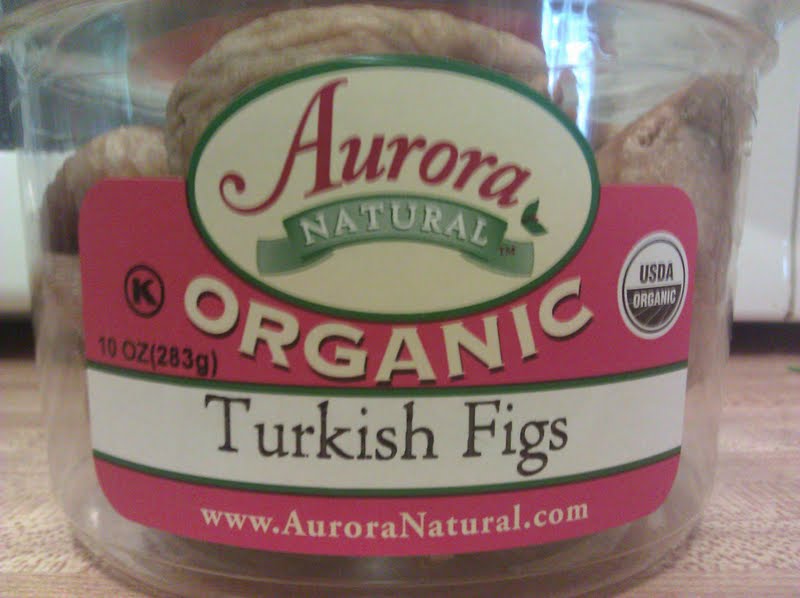
Turkish Figs


     Everybody has heard of and probably tried fig newtons, but I'm not so sure about many trying figs. Specifically turkish figs without the cookie around it. I reluctantly decided on trying turkish figs mainly because of the convenience. I say “reluctantly”, because the appearance of the fig was somewhat intimidating. Although, at least I didn't have to go to a farmer's market to find it, they had it at HEB, and it was something I had never tried before.
     After finding this peculiar fruit in the grocery store I did a little research on it, and found that it was quite impressive nutritionally! Turkish figs are very very high in calcium. It has over a 100 more mg of calcium per serving than a serving of whole milk does! Therefore, for women, who are apparently usually low in calcium, figs would be a great source for.


     The appearance of a Turkish fig wasn't very appealing, in fact I was a little afraid of trying it. (I'm usually not afraid of any foods!) On the outside it was light brown and very wrinkly. I'm use to my fruit's skin having a normal smooth texture, like an apple or pear! The smell also gave me a red flag. Putting my nose to it, it took me awhile to identify the smell, and then it came to me: Lucas powder! Smelt practically identical to it! I sliced it open, and found the inside of the fruit to be quite peculiar. This fruit had the most seeds I had ever seen inside of a fruit! Dozens of tiny circular white seeds filled it's gelatinous sticky insides. The fruit was dry, so I expected the inside not to be juicy like my usual favorite fruits. The filling was dark brown, thick and very sticky as it coated the inside wall of the fruit, forming a sort of cocoon- like inside.


     Sucking up my courage, I sunk my teeth into this small cocoon- like fruit. Immediately, the flavor surprised me, it was quite sweet despite the salty lucas scent. It was very similar to the taste of syrup. The texture just much more thicker, and not melt in your mouth like syrup. Chewing it felt really strange! It was like chewing bubble gum, except with a crunch because of the tiny little seeds, and the chewiness of the wrinkly skin.
     The taste wasn't all that bad, but it wasn't all that great for me either. I found a popular and simple way to prepare the fruit online. All it called for was putting chopped nuts and honey inside the fruit, which was very easy to do. I just chopped off the tip of the fruit and inserted chopped peanuts and honey inside, between the thick filling.


     The honey gave the fruit an extra burst of flavor. The sweetness of the honey paired very well with the molasses flavor of the fruit. The nuts gave it an extra crunch, adding another texture, and the flavor of nuts also made it more interesting. I enjoyed it much more prepared this way than eating it plain because of the extra flavor.
     Although, overall, for me, turkish figs just wasn't all that great. It just doesn't make my taste buds happy! Will I ever buy turkish figs again? Maybe. It has what I would call an “acquired taste”. Therefore, whenever I'm wanting something different than my usual fruits and snacks, I might pick up a pack of turkish figs again.
     If you want to know more about turkish figs, or are interested in knowing more ways to prepare it, you'll find the link below very helpful!